Knowledge engine
Adaptive Conversational Intelligence
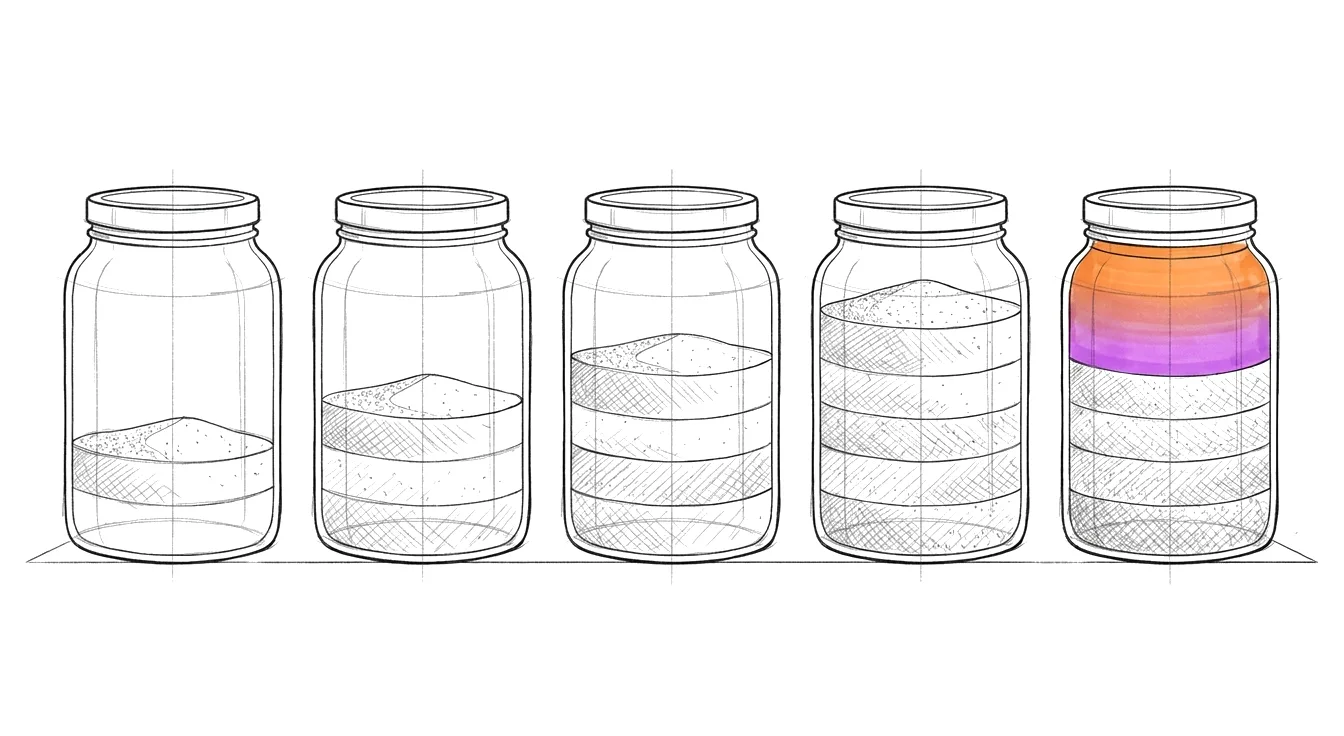
The knowledge engine: three levels inside each conversation, understand, connect and extract, and a fourth step that shows the whole.
Adaptive Conversational Intelligence (ACI) is the part of Deep Thought Cloud that turns a transcript into knowledge. The name is Deep Thought’s own.
Three levels work inside each conversation. The fourth step works across all of them: it puts them together for whatever you choose, and keeps that current as new conversations arrive. This page says what comes out of each step, and further down the way from a series of recordings to its insights. It does not describe the machinery.
What each step gives you
1 · Understand
Works out what each conversation is: its type, its context and how sensitive it is.
2 · Connect
Recognises the people, organisations and topics, and ties them to your world. Gets sharper every time you correct it.
3 · Extract
Lifts out what matters: decisions, commitments, questions, quotes.
4 · See the whole
Pick a project, a person, a word or a tag and see where things stand in seconds: open commitments with their owners, the latest decisions, what blocks and who is involved. For a series, a tag or the whole account it also says what the conversations say together: what recurs, what grows or fades, with quotes from your own sources. Every new conversation updates it, and what the recordings cannot settle, it asks you.
How ACI works in general
The way from a podcast feed, or any series of conversations, to its insights, in seven steps. The case pages show each step at work, next to the part it made.
1 · The source
A series of conversations: the public feed of a podcast, or recordings of meetings, calls or lessons.
2 · Each recording becomes structure
Each recording is transcribed, split into chapters and read: who takes part, and what is said, such as decisions, commitments, questions, advice, barriers, figures and predictions, each with its quote.
3 · Same thing, same word
The same concept is said in different languages and spelt in different ways. What is the same thing is merged; what is only about the same thing is kept apart. What the platform cannot decide itself becomes a question for a person, such as whether two names are one person or two terms mean the same.
4 · What hangs together
Concepts, tools and people that recur are linked when they occur in the same recording. The groups are computed.
5 · What grows and what fades
For each period, the share of recordings that mention a term. What grows, what fades and who used it first show. What is in nearly every recording counts as background.
6 · What recurs across recordings
Every statement from every recording is put into a codebook per type, and the platform remembers the answer. A pattern must occur in several recordings. The insight for a pattern is written only from that pattern’s own statements, and kept only when its quotes and figures have been checked.
7 · The insight
What remains is what no single listener gets: what the series says as a whole, what changes, who was first and where the participants disagree. Every new recording updates it.
The detailed mechanism, models and rules are documented internally and are not published on this page; this page says what comes out.
What it asks you
Some things the content alone cannot settle: whether two names are one person, who an owner name refers to, whether a question raised weeks ago is still open, whether a task or a test is yours, whether a name in a podcast is a host, a panellist or a guest, whether an organisation is only a sponsor. Instead of guessing, Deep Thought asks.
Up to ten short questions a week, in the Web App under Att bestämma, chosen by rule from gaps in what is stored, each with the recordings behind it. No AI writes the questions. A voice can also be kept anonymous there.
Every answer is kept, applied at once to the recordings it concerns, and can be undone. A no is remembered, so the same question is not asked again. Live since 12 October 2026.
Where you read it
- MCP
get_source_extractionreturns the decisions, actions, quotes and speakers of one source by default, and levels 1 to 3 with fields=full.list_entitiesandget_entityreturn the people, organisations and topics. prepare returns where things stand for a project, a person, a word or a tag;list_synthesesandget_synthesisreturn what a series, a tag or the whole account says together.- REST API (Enterprise)
GET /api/v1/sources/{id}returns a source with its extraction;GET /api/v1/actionsreturns the action items;GET /api/v1/series/previewreturns where things stand andGET /api/v1/series/{scope}a synthesis.
ACI is part of Premium. Pricing
The AI analysis behind ACI runs by default at an external service with Sweden-resident inference, and the account’s processing boundary decides how far a fallback may go. The exact wording is on the processing page. Processing in Sweden
What it does not do
- It does not replace the transcript. The words stay available next to what was extracted from them.
- It does not run on the Free plan.
- It does not decide alone what only you can know. It asks, and keeps your answer.